

The Importance of an Electrical Test Certificate For Landlords
Testing for electrical safety is vital for all domestic and commercial properties to ensure they meet the legal requirements. It involves a variety of physical and mental tests, and will usually include an electrical safety certificate (EICR) upon completion.
This is an important step to ensure that your tenants are secure and stop them from suing you for damages if they experience electrical issues. It can be costly, especially for landlords.
What is an Electrical Test Certificate?
An electrical test certificate is a document that declares that certain kinds of electrical work was carried out to a safe and high standard. They are a legal requirement for electricians and other people who perform other kinds of electrical work in buildings and homes.
Electric safety is essential for all tenants and homeowners. According to the Home Office, electrical faults are the cause of more than 10% of fires in homes in the UK which is why it is essential that any issues that could arise are spotted and fixed quickly.
A qualified electrician will visit your home and inspect it to see whether there are any issues in the way the wiring is set up, and then write a report (EICR) outlining the results of their inspection. The report will contain all tests and checks that were conducted during the EICR, including any recommended improvements that may be required to ensure compliance with legal requirements for electrical safety.
The report will typically identify any equipment or electrical circuits that are overloaded which could cause electric shock or fire dangers. The report will also pinpoint any issues with earthing or bonding that are crucial to protecting your home from electrical damage.
If you're a landlord, an EICR is a vital requirement to ensure that you are in compliance with electrical safety regulations and ensure that your home is safe for both you and your tenants. The certificate must be presented to inspectors or local authorities within seven days of their visit. You'll also have to keep a copy of the certificate for yourself.
An Electrical Safety Certificate will not only protect you from being fined , but also ensure that the rental income you earn isn't lost in the event that your property fails an electrical safety test. If the local authorities discover that you've not conducted electrical testing on your rented properties, they can fine you up to PS30,000, which is quite costly for any business or person.
Why do I need an Electrical Test Certificate?
Electrical Test Certificates are used to ensure that your home's electrical installations and equipment are safe to use. The tests are conducted on a frequent basis by a professional licensed electrician. They are essential to ensure the safety of the electrical system inside your home and can help prevent fires from occurring because of faulty wiring.
Sometimes electrical test certificates are issued prior to the home is bought or sold. These tests can show that the electrical system of the home is safe and can save you from costly fines from the regulator later.
Although the test certificate isn't required by law for all landlords, it could be beneficial for your safety as well as the safety of your tenants. If you lease out your property as an HMO (House of Multiple Occupation) It is required by law that you have your electrical system tested and certified as safe every five years.
Tenant should request their landlord to inspect and test the electrical systems before they allow you to move in. You could be charged hefty fines for not complying with the electrical regulations.
It is also essential to ensure that your landlord has an Electrical Installation Condition Report for your home's electrical system. If they do, you should check to see if it is valid for the next 5 years and if it is not satisfactory, then action must be taken within 28 days.
Your EICR will list any problems with the electrical system in your home that require to be addressed before they become dangerous. If it has an C1 code the installation requires immediate attention to ensure that it is safe. If the EICR has the C2 or FI code then it needs to be replaced or repaired.
It is a legal requirement that your product be checked for electrical safety before it is allowed to be sold in the European Union. This is required under a variety of different directives and regulations, which differ depending on the kind of product that is being sold. It will be qualified for CE certification if it satisfies these specifications.
Who requires an Electrical Test Certificate?
If you're a property owner, you must ensure that your property is up to the right standard in terms of electrical safety. This can be accomplished by getting an electrical test certificate.
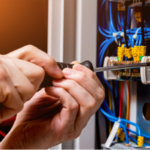
If you're a private landlord or a rental agency, an electrical test certificate is vital to have at all at all times. It will assist you in avoiding fines from your local authority and can save you money in the end as a landlord by ensuring that your property is kept secure.
You should get an electrical test certificate when you install any new fixed installations such as sockets, light fittings or consumer unit. This will ensure that you are in compliance with Part P regulations.
It is essential to have any portable appliances, like a refrigerator or freezer, tested to make sure they're compliant with UK safety standards. These tests are usually referred to as PAT tests. They can be performed by an electrician who is qualified to ensure that they're in good functioning order.
There are various types of electrical test certificates available to property owners and homeowners according to the kind of work has been done. These certificates will prove that the electrical installation has met BS requirements for 7671 and also that the wiring has been tested to the same standards.
The certificates are usually issued by the person who performed the electrical work. They can be a great way to ensure that all of your electrical work is in compliance with safety standards. These certificates aren't always required for every job, but are a great means of ensuring that everything is in compliance with the legal requirements.
Additionally there are electricians who offer to conduct electrical tests for your property as an option. This is a good option if you're looking for an economical method of getting your electrical work tested and certified or to be sure that your home is in good condition for tenants.
When should I apply for an Electrical Test Certificate
It is crucial to ensure that your home is protected from electrical faults as an owner. This is not only beneficial for the safety and health of your tenants, but can increase the value of your property , especially if thinking of selling it in the near future.
A test certificate for electrical wiring is required to avoid potential hazards and ensure your home is in full compliance with the Wiring Regulations. The inspections are performed by a licensed electrician and are legal requirements for private landlords, and also for those purchasing a home which was previously rented out.
An Electrical Safety Certificate is a relatively low-cost option compared to the consequences for not following the rules. The total cost will be contingent on a number of different aspects that include the size of your house and the fee charged by the electrician employed to carry out the test.
We suggest comparing online quotes from local electricians if you are thinking about getting an electrical test certificate. This will enable you to get a quote that fits your budget and needs of your home.
A test certificate for electrical wiring is essential to show that your wiring is in line with the Wiring Regulations. This will mean that your property is more likely to be recognized by insurance companies, estate agents and councils when trying to sell your home.
eicr certificate will give you peace of heart knowing that your family is safe in your home. The wiring and electrical systems can be hazardous and can lead to fires putting your loved family members' lives in danger.
Additionally, you should be aware that under the new Electrical Safety Standards in the Private Rented Sector (England) Regulations 2020, all tenancies commenced starting on the 1st July 2020 will require an electrical inspection as well as an EICR before the tenant is allowed to move in.
Although this might appear to be an unnecessary expense but it's an essential step to ensure that your house is as secure as is possible for you and your tenants to reside in. It also lets potential buyers know that you value the property and are an honest owner, which increases the chances of securing the sale you're thinking of selling it in the future.